
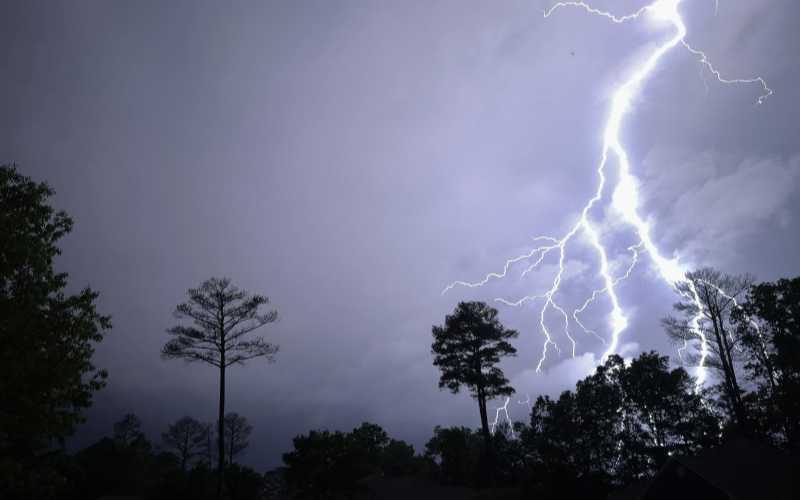
Storm preparation around the Reservoir usually begins with the same private list. We pull in chairs, check boat lines, charge phones and try to remember where the good flashlight went after the last outage. Those jobs matter, but they can make us look inward at the exact moment the neighborhood needs a wider view. Before closing the garage, take five minutes to check on the people closest to you. That short conversation often catches the one thing everybody else’s list missed.
The check does not have to sound dramatic. “Are y’all set?” works perfectly well. The neighbors may be out of town with two chairs still beside the water, or an older resident may need a hand moving a heavy planter. A family with small children may already be prepared but appreciate knowing somebody nearby is paying attention. Most of the time, nobody needs anything, and the text takes less time than finding the batteries.
Know Who Is Home and Who Is Away
Reservoir neighborhoods include full-time residents, people who travel often and families who use a house mostly on weekends. We are not all looking at the same dock every day. If you have exchanged numbers with the immediate neighbors, a quick message can prevent loose gear, an open gate or a worrying unanswered knock. Offer specific help instead of a broad promise. “I can move that chair now” is easier to accept than “Let me know if you need anything.”
Pets and boats are often the practical concern. Confirm that outdoor animals are secured and that nobody is assuming somebody else checked the lines. Do not enter private property without permission unless there is an immediate emergency and the law clearly allows it. A neighborly relationship is useful because those permissions can be discussed before the weather changes. Knowing what help is welcome keeps good intentions from creating another problem.
Keep the Group Text Useful
When weather information begins moving through the neighborhood, share the original source and time. A cropped radar image or warning from another county can create confusion, especially around the Reservoir where conditions may differ from one side to the other. Say what location an alert covers and when it was issued. If you are reporting something you can see, include the street, nearest intersection or part of the shoreline without exposing private information. Facts help; a running commentary rarely does.
A power outage is when group texts can either earn their keep or become unbearable. Report your general area and whether you have made an official outage report. Avoid six people calling the utility to repeat the same guess, and do not declare a cause because a tree moved or a transformer flashed. If somebody needs a charged phone, refrigeration for medicine or another essential accommodation, move that conversation toward practical help. Save jokes and weather philosophy for after service returns.
Once the worst has passed, wait for safe conditions before checking yards and docks. Downed lines, unstable trees, damaged electrical equipment and structural problems require distance and professional attention. Use daylight when possible, wear sturdy shoes and do not reach blindly into debris. Then check on the people again. The morning-after message matters just as much as the one sent before the rain.
Build the Habit on Ordinary Days
The best time to exchange contact information is not when thunder is close. Introduce yourself during a calm week, learn which households may need extra help and tell trusted neighbors how to reach you when you are away. Keep the arrangement modest and respectful; nobody needs to monitor anybody’s life. The point is simply to know who can look at a gate, bring in a package or say that everything appears normal.
Water and wind have never paid attention to property lines, and power lines do not stop at the subdivision entrance. The Reservoir gives each household its own view, but bad weather reminds us how much infrastructure and shoreline we share. Five minutes of checking next door is not emergency management. It is the ordinary neighbor work that makes a difficult night less difficult for everybody.