
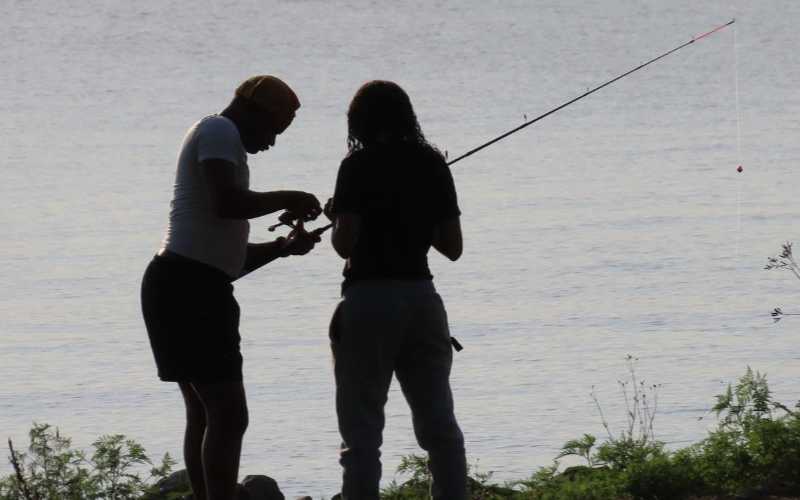
Fishing culture loves evidence. We want the photograph, the weight, the cooler and the story that grows slightly each time it reaches a new listener. The Reservoir provides plenty of those mornings, but not on command. Some trips leave the live well empty and still manage to be the ones we remember. A good fishing day can come home without a fish.
It may begin with the small victories nobody photographs. The trailer lights work, the boat launches without an argument and somebody remembers both the coffee and the plug. The first spot is quiet enough to hear a lure land. Nobody needs to prove that the morning is important because it already feels good. For a while, the plan and the day agree.
Fish Seriously Without Taking It Personally
If the bite is slow, keep paying attention. Read the current official report before leaving, notice water clarity, wind, depth and habitat, and make changes one at a time. Move when the information supports moving, not because silence has become uncomfortable. A missed bite matters. So does seeing bait, birds or a temperature change in a place that otherwise appears empty.
Do not punish the people in the boat because the fish did not receive the schedule. A child will remember being snapped at longer than the lure that failed. A friend invited for company does not need a lecture on every cast. Fish with purpose, but leave enough room for conversation and mistakes. The Reservoir is too large for any one person’s plan to be personally rejected.
Attention Is Part of the Catch
A slow morning makes other details visible. Wind moves across the main lake in a line, a heron changes banks and sunlight reaches the water beneath a cloud that had been holding it back. The person beside us finally finishes a story that began while backing the trailer. A distant boat starts, runs and disappears behind a point. These moments would have happened during a fast bite too; we simply might not have noticed.
Keep a few notes if fishing the Reservoir regularly. Record the date, time, weather, water conditions, depth and habitat, including places that produced nothing. After several trips, blank mornings become useful rather than forgettable. Patterns emerge from absence as well as success. Memory tends to keep the five-pound fish and discard the wind direction.
Lunch tastes the same whether fish have been caught. Stop, drink water and let everybody reset before deciding how long to continue. Heat, weather and fatigue deserve more authority than stubbornness. A shorter safe trip is not a failed trip. The fish will not know we left early.
Come Home Clean
At the end of the day, pack out line, bait containers and trash. Clean, drain and dry the boat and equipment as appropriate, following current guidance. Secure gear in the preparation area instead of holding up the ramp. Offer the next person the patience we wanted at launch. Courtesy is easier when the morning has not been treated as a competition.
Back home, write down what needs repair or replacement while the evidence is fresh. Dry life jackets and towels, charge electronics and put tackle where it belongs. If a child came along, ask what they liked before asking whether they were disappointed. Their answer may have nothing to do with fish. That is useful information too.
Someone will eventually ask how we did. “No fish, but it was a good morning” is a complete answer around the Reservoir. Most neighbors understand it without consolation. The boat ran, the company was good and the water gave us several hours away from everything that measures productivity. Some catches do not need a photograph.