
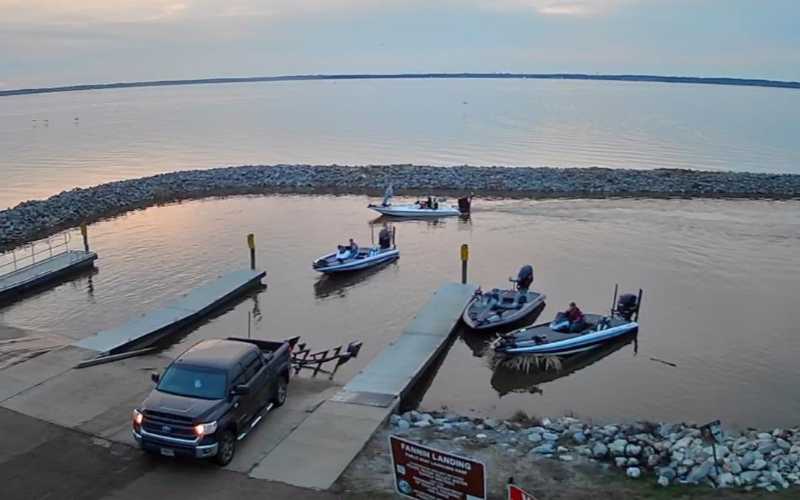
Few places reveal a family’s planning habits faster than a busy boat ramp. On a pretty Saturday, everybody reaches the Reservoir with the same idea and a slightly different understanding of what “ready” means. One truck backs smoothly toward the water while the next family is still deciding which cooler belongs in the boat. Children are excited, somebody cannot find the plug and a patient line has begun forming behind them. Ramp courtesy starts long before the trailer reaches the incline.
The preparation area is where coolers, rods, bags and passengers belong. Remove only the straps and supports that should come off before launch, while keeping the boat properly secured until it reaches the appropriate position. Check the plug, lines, required safety gear and anything else on the owner’s normal launch list away from the active lane. Review the launch with the person driving and the person handling the boat so nobody is inventing hand signals under pressure. When the vehicle reaches the ramp, the only job left should be launching.
The Ramp Is for Moving, Not Organizing
Back steadily, use a spotter when appropriate and communicate without putting anyone between a moving vehicle and the water. People outside the tow vehicle should stay visible and clear of the trailer’s path. Children and pets need close supervision in a designated safe area, not a vague instruction to “watch out.” If something is wrong, pull forward and reset when possible rather than solving a storage problem in the lane. A two-minute retreat is more courteous than a ten-minute blockade.
Once the boat is afloat, move it out of the immediate launch path as soon as conditions and safety allow. Courtesy docks are for the transition between land and water, not for arranging tackle, applying sunscreen to six people and holding a breakfast meeting. The driver can park while another responsible adult manages the boat, or a solo boater can use a practiced line system suited to the location. Every ramp is a little different, so posted instructions and local conditions come first. Speed never improves a process that has not been thought through.
Returning at the end of the day requires the same preparation in reverse. Before the trailer reaches the lane, have lines ready, secure loose gear and decide who is doing what. Load the boat, move to the designated tie-down area and only then handle covers, straps and the cooler that has shifted under three towels. Staying on the ramp to complete the entire trip is how an ordinary wait becomes a neighborhood story. The parking area exists for the tasks that do not require water.
Solo Boaters Deserve Room, Not Commentary
Launching alone often takes longer, and that is not a breach of etiquette. A careful solo operator may need to secure a line, park the vehicle and walk back. If you are waiting, leave enough room for that plan to work and do not crowd the dock because you think your group can move faster. If you boat alone, practice the routine during a quiet period and prepare lines before reaching the lane. Calm and predictable beats hurried every time.
New boat owners have to learn somewhere, and the Reservoir is full of people who remember their own first bad backing attempt. If somebody is struggling, ask whether they want a hand. Offer one clear suggestion rather than six shouted instructions from different windows. Sometimes the most useful help is holding a line; sometimes it is simply giving the driver space to pull forward and try again. Humiliation has never improved steering.
Wind, current and a crowded dock can upset even a familiar routine. The person having difficulty today may handle the same ramp perfectly next weekend. A little patience recognizes that conditions change and equipment fails. It also keeps tempers from becoming a safety problem around vehicles, trailers and water. Nobody’s lake day improves because two strangers argued over ninety seconds.
We Will See One Another Again
Many of us use the same Reservoir ramps all year. The family ahead in June may be behind us in October, and the solo angler we help today may hold our bow when the wind catches it next month. That familiarity is one reason courtesy matters. We are not processing anonymous traffic; we are sharing a narrow public space with neighbors.
Prepare away from the lane, move through the launch deliberately and finish the trip in the proper area. Give trailers room, keep children safe and save advice for people who ask. Readiness keeps the line moving, but patience keeps the ramp from becoming the worst part of a good morning. Both cost less than fuel.