
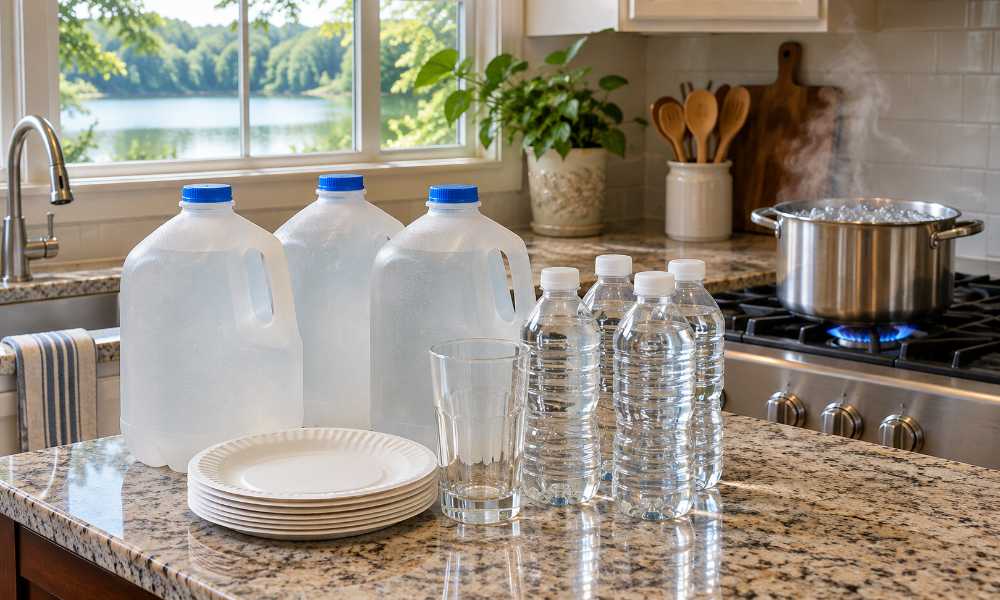
A boil-water notice can interrupt your morning before you have even made the coffee. Suddenly, you’re checking the refrigerator for bottled water, wondering whether the ice is safe and reminding everyone not to brush their teeth at the sink. For reservoir residents who have dealt with recent notices, those questions may feel familiar.
A little preparation can make the next interruption easier. Keeping drinking water on hand, signing up for alerts and having a household plan means fewer last-minute decisions when a notice arrives.
Understand why notices happen
A boil-water notice does not always mean testing has found contamination. Mississippi water systems issue precautionary notices when water pressure is lost because that loss can allow contaminants to enter the distribution system. Other notices follow testing that identifies a water-quality problem. Both require residents to follow the instructions until officials confirm the water is safe.
The reservoir area has experienced disruptions involving leaks and pressure loss. In May 2025, for example, PRVWSD described multiple leaks during an interruption affecting its Main Harbor Water System. That incident illustrates how a plumbing problem can lead to a notice, but it does not establish that every reservoir neighborhood faces the same conditions.
Know which water system serves your address. Check your water bill and save the provider’s name, phone number and website. When a notice appears, read the affected streets, subdivision or system name carefully instead of assuming it applies to everyone living near the water.
Build a small water reserve
The CDC recommends storing at least one gallon per person per day for three days, with a two-week supply if possible. A household of four should start with at least 12 gallons. Store additional water for pets and consider extra supplies for hot weather, pregnancy or illness.
Unopened, commercially bottled water is the simplest option. Keep it somewhere cool and out of direct sunlight, and follow the expiration dates. If you fill your own containers, use clean, sanitized, food-grade containers, mark the storage date and replace the water every six months. Never reuse containers that held chemicals.
Consider making a small space in a closet or pantry for your water supplies. Add paper plates, disposable utensils and a few meals that require little water to prepare. Keeping these items together makes them easier to find when a notice arrives during a busy morning or evening.
Sign up for alerts before you need them
PRVWSD offers text alerts for important water-related news. Its website lists these sign-up instructions:
- Rankin County: Text Rankin to 833-205-7575.
- Madison County: Text Madison to 833-205-7575.
Residents can also check PRVWSD’s website for announcements or contact the district at 601-856-6574. If another utility provides your water, sign up for that provider’s notifications as well.
Have more than one adult in the household receive alerts. Save your provider’s contact information in your phone, and make sure anyone caring for your children or home knows where to find updates.
Change the household routine when a notice arrives
During a boil-water notice, use commercially bottled water or properly boiled water for drinking and food preparation. Around the reservoir, bring tap water to a full rolling boil for one minute, then allow it to cool before use. Water passed through a household filter still needs boiling.
Use this checklist to catch the everyday tasks that are easy to overlook:
| Household activity | What to do during a boil-water notice |
|---|---|
| Drinking and brushing teeth | Use bottled or boiled-and-cooled water. |
| Preparing food and washing produce | Use safe water, including for food that will be eaten raw. |
| Making ice or drinks | Use safe water. Avoid ice made with affected tap water. |
| Washing dishes | Use disposable items when possible. MSDH advises washing with boiled or appropriately disinfected water and does not recommend home dishwashers during a notice. |
| Bathing and handwashing | Generally permitted under a boil-water notice; avoid swallowing water and follow local instructions. |
| Doing laundry | Wash clothes as usual unless officials say otherwise. |
These precautions reflect Mississippi Department of Health guidance.
Turn off the automatic ice maker and avoid the refrigerator’s water dispenser. Give pets bottled or boiled-and-cooled water, too. For formula-fed infants, use ready-to-feed formula if possible; consider sponge baths for babies and young children to reduce the chance of swallowed water.
A practical reminder can help everyone follow through. Put a note beside the kitchen faucet and bathroom sinks, and place bottled water near the toothbrushes. Tell visitors and babysitters about the notice instead of assuming they have seen it.
Have a plan if the power is out
Stored water becomes especially useful when you cannot boil water on an electric stove. Include water in your household outage supplies, and think ahead about relatives or neighbors who might need help carrying containers or receiving updates.
Read the type of advisory carefully. A “do not drink” or “do not use” notice requires different precautions. Boiling does not make water contaminated with harmful chemicals or toxins safe. Follow the specific instructions in the advisory.
Wait for the official all-clear
Restored pressure does not mean a boil-water notice has ended. Continue precautions until your water provider or health officials announce that the notice has been lifted. Mississippi’s guidance explains that testing is needed to establish safety after a pressure loss.
Once the notice ends, follow the provider’s instructions for flushing household plumbing and appliances. MSDH also advises discarding affected ice and drinks, checking water filters and replacing them if necessary. Replenish your stored water afterward so your household is ready again.
Ask useful questions about recurring problems
Household preparation helps manage an interruption, but residents can also ask their provider about repeated notices. Useful questions include what caused the pressure loss, whether incidents involve the same section of pipe, what repairs are planned and how customers will receive updates.
For reliable information, start with your water provider and the Mississippi State Department of Health’s water safety notices. MSDH explains that utilities are responsible for notifying customers directly, including when they issue precautionary notices themselves.
You cannot schedule the next water-line problem, but you can make it less disruptive. A modest water reserve, working alerts and a plan everyone understands can keep the next notice from becoming a scramble.