
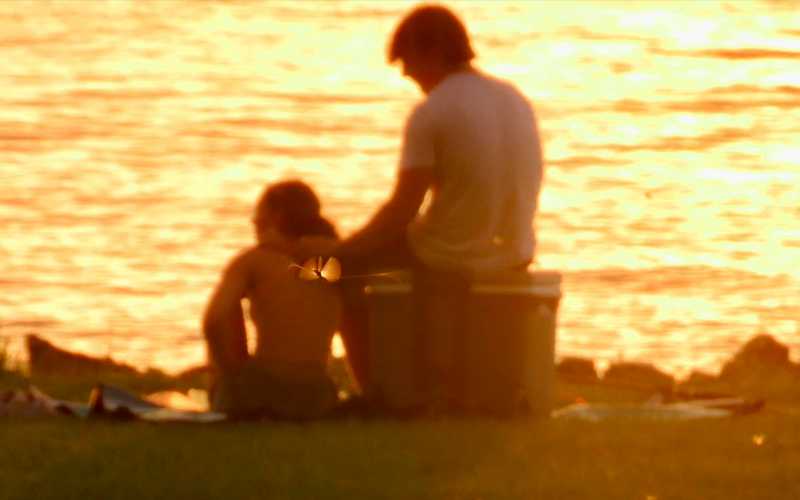
A picnic beside the Reservoir looks effortless until the wind catches the first paper plate. A napkin heads toward the water, somebody pins the bread bag under a cooler and the tablecloth begins behaving like a sail. Open water makes its own suggestions, and the first is to pack heavier and simpler than we think. The view will provide the occasion. Lunch only needs to survive it.
Start with containers that have real lids. Put napkins beneath the food bin instead of on top of the cooler, bring cups or bottles that will not leave with the first gust and have a trash bag open before anyone unwraps anything. A few reusable clips can hold a light cloth, but an uncovered table is often easier. If the setup depends on perfect stillness, it was designed for somebody else’s picnic.
Choose the Spot After You See the Day
The table that looked ideal from the road may be in full sun, standing water or the path of every breeze. Walk the immediate area before unloading. Notice shade, wind, ground conditions, distance from restrooms and how far everything must travel from the vehicle. Use designated public spaces and follow posted rules. A slightly less scenic table can become beautiful once nobody is carrying a cooler across a muddy field.
Shade moves, especially during a long lunch. Think about where the sun will be when people are ready to sit, not only where it is during setup. Keep children close around parking areas and water, and choose a place where adults can supervise without blocking a path. If older family members are joining, seating and distance may matter more than the view. The best picnic site is the one the whole group can use comfortably.
Let the Cooler Do Its Job
Keep cold food properly chilled and limit how often the cooler is opened. Pack drinks where they can be reached without exposing the entire meal every ten minutes. Use a separate small cooler if the group will be in and out of beverages often. Bring hand-cleaning supplies and more drinking water than the menu seems to require. Mississippi heat can outwork a sandwich before anybody notices.
Keep the food familiar. Sandwiches, fruit, something salty and a simple dessert beat a complicated dish that needs six utensils, two serving temperatures and a prayer. Cut or portion what you can at home. The picnic table is not the place to discover that nobody packed a knife. Local outdoor meals improve when the cook gets to sit down too.
Think about what will remain after lunch. Greasy scraps, bait, bones and overflowing bags attract animals and create work for the next visitor. Seal leftovers promptly, collect small wrappers before wind finds them and use proper waste containers. If bins are full or unavailable, take the trash home. A public shoreline is not cleaner because a tied bag was left beside a can.
Leave Time for the Part That Matters
Reservoir picnics go wrong when setup and cleanup become the entire event. Once everyone has eaten, close the containers, secure the trash and sit with an empty table for a while. Watch boats cross the view, listen to children tell the same story twice and notice whether the breeze has changed. Do not rush into another activity because the plan has a blank space. The blank space is why we came.
Pack deliberately when it is time to leave. Check beneath the table and along the direction the wind was blowing, because one wrapper may have traveled farther than expected. Count containers, cups and people, then look back at the site before walking away. A successful Reservoir picnic is not one where the cloth never moved. It is one where everybody ate well, nobody spent the day managing lunch and everything we brought went home with us.