
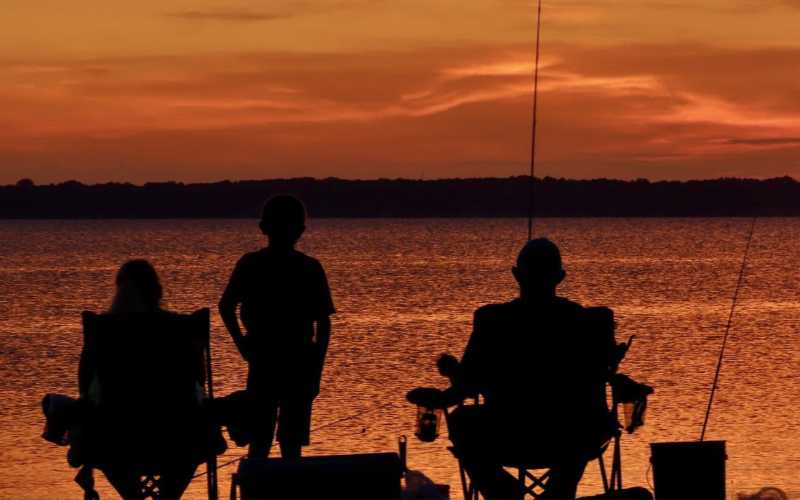
The official Ross Barnett fishing report can save an angler time, but only if it is read for what it actually says. Too often we skip past the date, weather and habitat, find the name of a bait and head to the store as though the fish placed an order. By Saturday, conditions have changed, half the ramp has the same color tied on and somebody is declaring the report wrong. The report was never a promise. It is a short field note from a large, complicated body of water.
Start at the top of the MDWFP Ross Barnett page and look at the update date. A report written before heavy rain, a hard front or several very hot days belongs to a different set of conditions. Read the weather sentence before the lure sentence. Wind, temperature, water clarity and recent rainfall may explain more about where fish are holding than the brand of anything in the tackle box.
Read the Habitat Words First
Words such as vegetation, creek swing, ledge, laydown, stump field and deeper point are not decoration. They tell you the kind of place that produced fish, and they can apply to more than one area of the Reservoir. Think about which part of the lake offers that habitat and which part you can navigate safely. “Shallow” does not name one bank. “Near structure” does not mean crowd the first visible tree beside another boat.
Depth is often a more durable clue than a specific bait. If a report says fish are moving from spawning areas toward deeper cover, the important word is moving. Some fish will be ahead of the pattern and some behind it, especially across a Reservoir that changes from Pelahatchie Bay to the main lake, above Highway 43 and upriver. A depth range gives you a place to begin searching. It does not remove the need to pay attention once you arrive.
Translate Advice Into Your Own Boat
Not every technique fits every angler, boat or stretch of water. A recommendation to work deep timber means little if you are not equipped or comfortable navigating that area. Choose the portion of the pattern that matches your experience and gear. A bank angler can still use clues about shade, cover and depth transitions without pretending to reach an offshore location. Good information becomes useful only after it passes through the reality of your trip.
Lure color and style matter, but they belong later in the decision. Start with location, depth, speed and presentation, then adjust. If one bait is named, consider what it represents—perhaps shad, crawfish or a slow meal near the bottom—rather than assuming the fish recognize packaging. Bring a few reasonable options and spend more time fishing than retying. The Reservoir has seen every color we own.
Pay attention to the parts of the report that describe slower fishing. “Fair” or “slow” does not mean stay home. It means expectations and strategy may need to change. A few careful hours, a smaller target and willingness to observe can still produce a good morning. It may also produce no fish, which is information if you remember the conditions.
Keep a Report From Your Side of the Rez
A small notebook or phone log turns the official report into a conversation over time. Record date, time, wind, water clarity, approximate depth and the habitat where you got a bite. Note where you did not get one. After several trips, patterns begin to separate from lucky moments. Your records will never cover 33,000 acres, but they can describe the water you actually fish better than memory does.
Finish by reading the regulations on the same official page. Ross Barnett has special rules in certain areas and for certain methods, and regulations can change. Check before fishing rather than relying on what was legal last season or what someone at the ramp remembers. Then use the report the way locals use any good piece of advice: listen carefully, compare it with what the water is showing and keep enough humility to change the plan.