
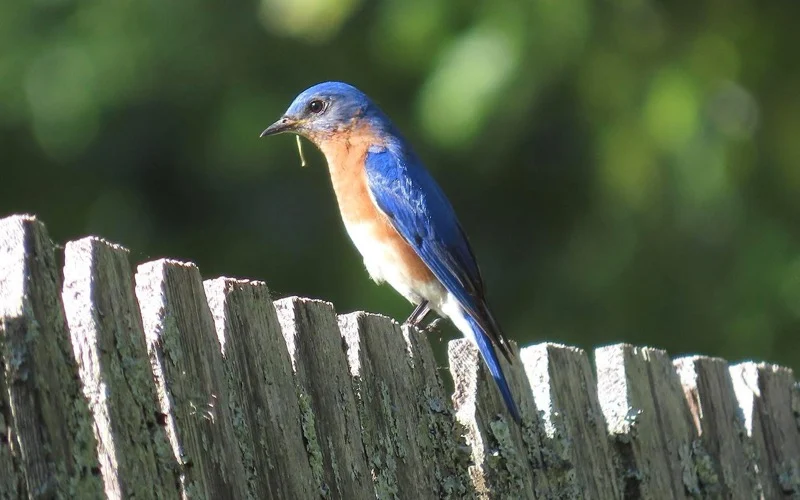
Property boundaries around the Reservoir rarely appear as neat lines or rows of shrubs. More often, fences reveal where one home ends and another begins. As autumn settles in and many residents spend more time outside—whether tackling yard work or enjoying quiet evenings—the fences lining streets and backing up to the water become more noticeable, sometimes as a familiar backdrop and sometimes as a subject of neighborhood conversation.
The range of fences in Reservoir neighborhoods reflects different priorities. Some fences are built to keep pets safe or give children a place to play. Others focus on privacy, with taller heights or solid panels to create a sense of separation. Here, balancing privacy with a view can become part of daily life. Many yards back up to coves or stretches of green space, so a tall fence might bring welcome seclusion but also block the scenery that draws people to the Reservoir area.
There are also practical guidelines that shape these decisions. The Pearl River Valley Water Supply District (PRVWSD) sets rules for fences near the shoreline, including limits on height and materials, to help preserve shared views and allow for access when needed. Homeowner associations and local ordinances may add their own requirements, especially for style or placement along neighborhood streets. Anyone considering a new fence or repairs often ends up weighing these rules against the specifics of their yard—how the ground slopes, where tree roots grow, and how the fence will look from the porch or patio. For more information, the PRVWSD Homeowners’ Association information page outlines fence guidelines for Reservoir neighborhoods.
Material choices further shape the landscape. Wood remains a popular option for its classic appearance and the way it weathers to blend with the surroundings. However, wood fences near the water may require more upkeep due to humidity and storms. Vinyl and composite fences offer durability and lower maintenance, though they may stand out in older neighborhoods. Metal fences with open designs can keep pets in while preserving views and letting wildlife move more freely. Each material reflects something about how a family uses their yard and what they value most.
Wildlife and pets bring additional considerations. Fences can keep dogs from wandering but also influence how deer, rabbits, and turtles travel through the area. A fence built tightly to the ground may block small animals, while wider gaps could invite unexpected visitors. Some residents choose see-through fencing or leave space at the bottom to allow wildlife to pass, seeking a balance between caring for pets and living alongside local nature.
Maintenance often becomes a shared concern, especially where fences run along property lines. A leaning panel or broken post can prompt conversations between neighbors—sometimes leading to cooperation, sometimes raising questions about responsibility. Routine care, from sealing wood to trimming back vines, affects not just one yard but the overall appearance of a block. Where fences border public paths or the water’s edge, keeping them in good repair also shows respect for the shared spaces that help define Reservoir life.
With fall bringing a new round of outdoor projects, this is a good time to look at the fences around us—not just as barriers, but as features that shape daily life, neighbor relationships, and the familiar landscape of the Reservoir. A well-maintained, thoughtfully placed fence can offer needed privacy without shutting out the world and mark a boundary without ending the sense of connection that ties our neighborhoods together.