
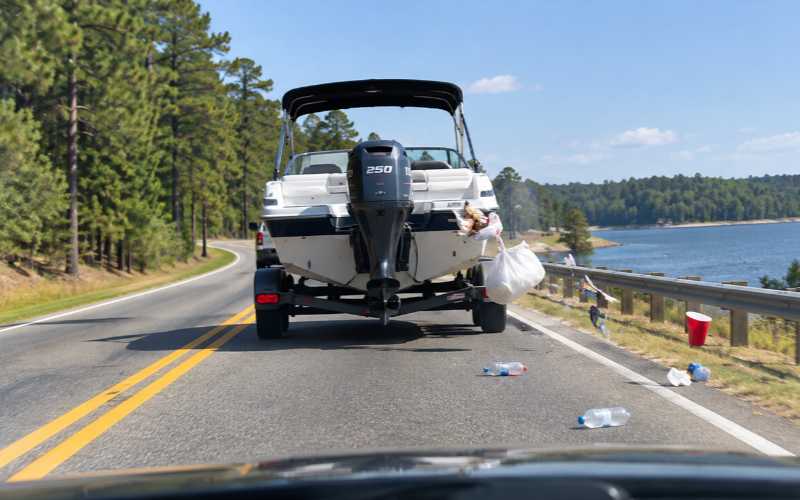
Most boat owners give the trailer a quick look before pulling onto the highway. We check the straps, glance at the tires and make sure nothing obvious is dragging. The better walk-around begins one step earlier, while plant material, mud and standing water are still easy to see. Clean the equipment, drain it according to current rules and manufacturer guidance, and let it dry before the next water. The routine is simple because the problem it prevents can be anything but simple.
The Mississippi Department of Wildlife, Fisheries and Parks advises people not to move fish, plants or other organisms from one body of water to another. That message applies to more than the hull. Trailers, live wells, bait containers, anchors, ropes, waders, kayaks and recreational gear all have places where material can hide. A fragment caught on a bunk or a little water left in equipment may seem harmless. The next lake does not get to make that assumption.
Inspect While the Evidence Is Fresh
At the end of a trip, walk around the boat and trailer before leaving the launch area. Remove vegetation and mud you can reach safely, and dispose of it on land where it cannot wash back into the water. Check the prop area only with the motor safely off and following the equipment maker’s instructions. Look beneath straps, around the axle and wherever wet material tends to collect. The job takes longer after everything dries into place at home.
Drain live wells, bilges, bait containers and other systems only where and how regulations allow, following the vessel manufacturer’s procedure. Never release unused live bait or move live fish or organisms to another water body. If you are uncertain about a species or current rule, consult MDWFP rather than improvising. Well-intended relocation can still spread a problem. “It came from nearby” is not a biological safeguard.
Small Craft Carry Things Too
Kayaks, paddleboards and canoes do not get a pass because they lack a motor. Check foot braces, seat fittings, deck rigging, carts, straps and the recesses around handles. Turn the craft as recommended so trapped water can leave, then allow it to dry thoroughly. Personal flotation devices, water shoes and throw lines may also hold moisture or plant fragments. The smaller the equipment, the easier it is to inspect closely.
Anglers who move between waters should look at waders, nets, boots and tackle. Mud can stay in a tread long after the rest of the gear looks clean. Hooks and line may carry vegetation into a compartment where it remains damp. Use cleaning methods appropriate for the material and follow current agency guidance. Protecting equipment and protecting the next water often begin with the same careful rinse and dry.
Children can help with the walk-around if an adult keeps the task safe. Ask them to spot green plant pieces or mud without reaching near sharp, hot or moving parts. Explain why the family is checking instead of treating cleanup as another unexplained delay between the water and lunch. Habits learned at the ramp tend to stay with a future boat owner. The best environmental rule is the one people remember when nobody is watching.
Make the Routine Easier Than Skipping It
Keep the basic cleaning and inspection supplies with the tow vehicle or gear bin. Build the check into the same order as straps, lights and drain procedures so it does not depend on memory. If the next trip involves a different water body, allow enough drying time rather than squeezing cleanup into departure morning. A written launch-and-recovery list is not excessive when several people share responsibilities. It prevents the familiar question about who thought somebody else handled it.
Ross Barnett is connected to the Pearl River and used by anglers, families and visitors who travel to other waters. We do not need to become biologists to understand that unwanted species should not receive a free ride. We need to look carefully, remove what does not belong and follow the current guidance. A few quiet minutes at the ramp protects more than the boat. It protects the next shoreline we hope to enjoy.