
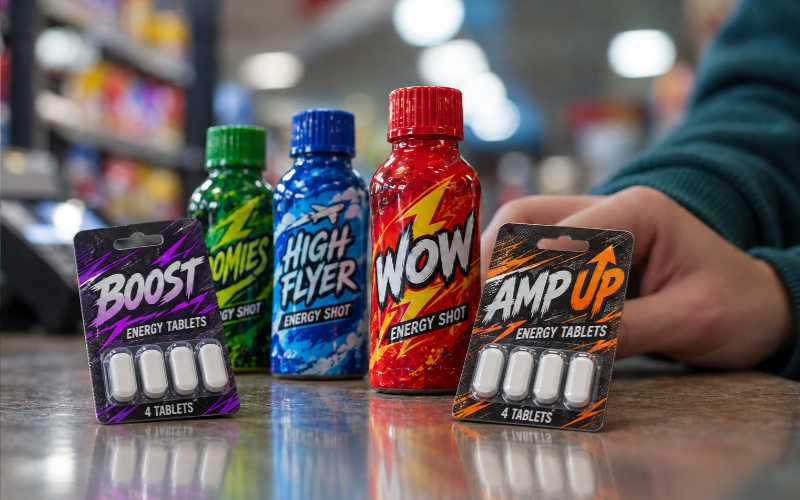
When families stop in at gas stations and convenience stores near the reservoir, the goal is usually simple: snacks, a cold drink, or a quick fuel-up. Yet beyond the familiar shelves of chips and sodas, another group of products is easy to overlook – items like tianeptine, kratom, and synthetic cannabinoids. Sometimes referred to as “gas station drugs,” these substances are legal to sell in Mississippi and can be found in area stores.
Of these, tianeptine has drawn the most attention. Often called “gas station heroin” in recent news coverage due to its reported opioid-like effects, tianeptine is sold in pill or powder form under names such as ZaZa or Tianna Red. The U.S. Food and Drug Administration has not approved tianeptine for any use, and health officials have issued warnings about its potential for addiction, overdose, and other side effects. Still, some local shops stock it alongside energy boosters and CBD products. Other substances, including kratom and certain synthetic stimulants, have also raised concerns among medical experts and poison control centers. One challenge for families is that these products often look like harmless supplements or herbal remedies. The packaging and brand names may not sound alarming to anyone unfamiliar with their risks. Young people might assume these products are safe simply because they are sold legally.
For parents and caregivers in the Reservoir area, awareness is an important first step. Knowing which products have prompted health advisories—and being able to spot the names linked to harmful effects—can help families make informed decisions. The FDA consumer alert on tianeptine offers clear information, and the Mississippi Department of Health has occasionally published guidance on substances such as kratom and synthetic cannabinoids. Local law enforcement may issue reminders if new products appear in stores or schools. Pharmacists and health care providers can also be helpful sources for up-to-date information about what’s circulating locally.
Equally important are the conversations that happen at home. Instead of relying only on rules or warnings, it can help to talk with children and teens about what they might notice at gas stations and why not every product on the shelf is safe just because it’s legal. Asking what kids have seen or heard about these substances often works better than delivering a lecture. If a teen brings up a product or trend, that can be the start of a more open and useful discussion. The National Institute on Drug Abuse provides practical advice for parents about starting these conversations.
If a family has questions about possible use or notices signs of harmful effects, there are resources available. The Mississippi Poison Control Center offers confidential guidance at any hour, and local health providers can recommend further care when needed. These “gas station drugs” are easy to find, but staying informed and keeping communication open at home can help Reservoir families look out for each other.