
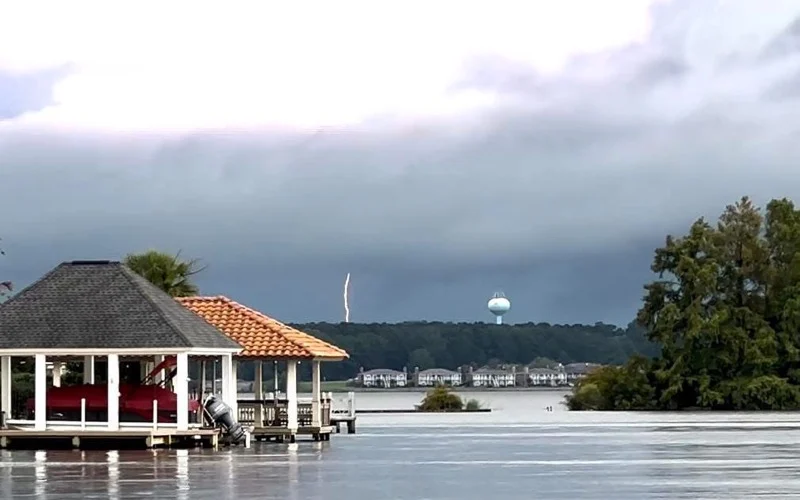
Heavy rain can quickly overwhelm Reservoir-area streets. Water races along curbs, fills gutters, and pools in the low points that dot many neighborhoods. For most residents, storm drains along the road fade into the background until a downpour arrives. These drains and their network of underground pipes play a crucial part in moving water away from homes and yards, helping neighborhoods recover after wet weather.
During a storm, runoff from roofs, driveways, and lawns flows into the storm drains. This water travels through buried pipes, eventually reaching larger drainage channels, ditches, or retention ponds. In the Reservoir area, much of the system ultimately empties into nearby creeks or Ross Barnett Reservoir itself. The design aims to limit local flooding, especially for subdivisions built on low ground or close to the water. Still, water sometimes lingers at street corners or backs up into yards after heavy rain. These issues often signal that a drain is blocked by leaves, pine needles, or other debris—a problem that becomes more common in the fall when trees shed their leaves.
Stormwater systems are built to move water quickly, but they aren’t unlimited. Leaves, trash, and grass clippings can collect on the drain grates, slowing the flow and causing water to back up on streets or into yards. The Environmental Protection Agency notes that clogged storm drains are a leading cause of urban flooding and can also carry more pollutants—such as lawn chemicals, oil, and loose soil—into local waterways. In communities around the country, including those along the Reservoir, stormwater runoff remains a major influence on water quality.
For homeowners, properly functioning storm drains mean less standing water near foundations, fewer mosquitoes, and a reduced risk of dampness in basements or crawlspaces. When neighborhood drains stay clear, rainwater moves through quickly and streets dry out within hours. Local maintenance crews monitor major drains, but smaller neighborhood grates often rely on observant residents. Clearing leaves or branches from a storm drain after rain can make a noticeable difference and supports the broader effort to keep the Reservoir’s water cleaner for everyone.
With another season of wet weather and falling leaves ahead, it’s worth paying attention to what accumulates along the curb. Taking a moment to check the nearest storm drain during or after a storm can help protect homes and contribute to the health of our shared water.