
Reservoir bird-watching can begin from the chair we already own. No special trip, life list or expensive lens is required. Sit where a piece of water, tree line or open sky is visible and notice what passes through. At first, the birds may divide themselves into only a few categories: large white bird, loud group, fast little thing and whatever is circling too high to identify. That is a perfectly good start.
Large shoreline birds make patient teachers. Herons and egrets work slowly enough that we can watch how they place their feet, hold their necks and wait at the edge. Geese usually announce themselves before arrival, while raptors overhead ask us to look at shape, wing position and movement rather than color. Behavior often gives a better clue than one blurry photograph. The bird is telling us something even when we do not know its name.
Watch What It Does Before Asking What It Is
Notice whether the bird stands still, wades, circles, dives or moves quickly through branches. Estimate size by comparing it with a dock post, tree limb or familiar bird nearby. Write down time, location, weather and any clear markings. Then consult a reputable field guide or birding resource. Memory turns every uncertain bird more dramatic by supper.
Binoculars help, but the best pair is the one we can hold steady and keep near the porch door. Learn to find the bird with the naked eye first, then raise the binoculars without looking away. Start with lower magnification if higher power makes the view shake. A notebook can be more useful than a camera because it records behavior and season. The goal is recognition, not evidence for court.
Let the Reservoir Change the List
The birds using the shoreline shift through migration, nesting and winter. A cove that seems quiet in one month may fill with movement in another. Weather can bring birds closer to the house, push them toward protected water or hold migrating groups in the area. Repeated observation turns those changes into a local calendar. We begin expecting certain sounds before we remember the date.
Time of day matters as much as season. Early morning brings one set of calls and feeding patterns, while late afternoon changes where birds perch and travel. Midday may seem slow until a raptor crosses the open water or a group gathers around a shallow edge. Sit for fifteen minutes longer than feels necessary. The interesting bird often arrives after we stop actively searching.
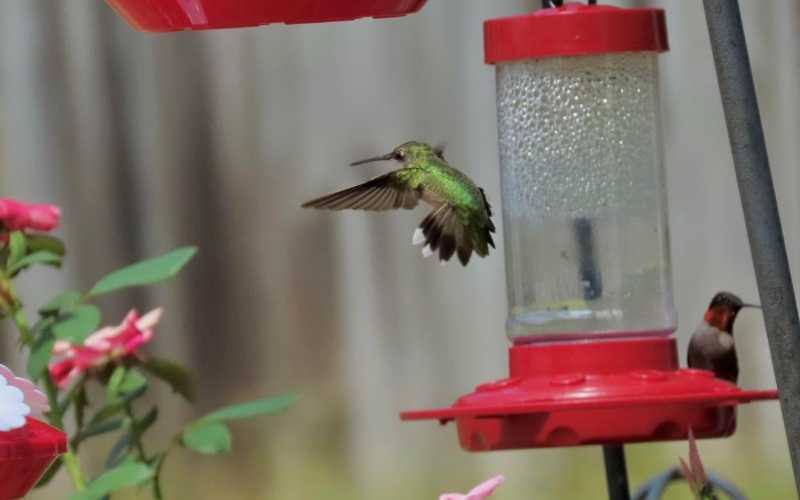
Backyard habits influence what we see. Keep cats indoors or safely contained, avoid leaving fishing line and hooks where wildlife can reach them, and reduce unnecessary disturbance near shoreline vegetation. If feeders are used, maintain them responsibly and follow current wildlife guidance. A feeder is not helpful when it spreads spoiled food or disease. Sometimes the best bird habitat is the part of the yard we leave alone.
Give Wildlife Enough Room to Remain Wild
Do not approach nests, crowd resting birds or play recordings to draw them closer. Use a long view from public or permitted property, and keep dogs controlled. If a bird changes its behavior because of us, we are probably too close. The photograph is not worth interrupting feeding or nesting. Good observation leaves the animal’s day intact.
The pleasure comes from seeing the same place often enough to recognize its regulars. A particular heron favors one bank, geese use the cove differently after a front and an unfamiliar call appears for a week before moving on. That is local knowledge in its simplest form. We look, remember and notice change. The Reservoir supplies the birds; patience turns them into neighbors.