After sunset, a drive through Reservoir neighborhoods often reveals the subtle glow of security cameras mounted above garages or tucked under porch eaves. Some of these systems quietly observe driveways and front porches, while others keep watch over backyards that slope into wooded areas or abut the water. Neighbors have a range of reasons for installing them. Some look for peace of mind at night or want a record of daily activity. Others are drawn by the unexpected wildlife that passes through after dark.
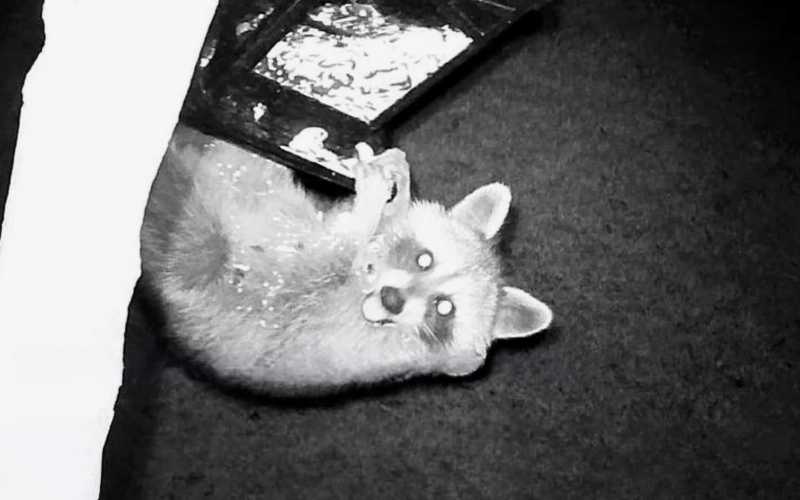
In recent years, these compact, weather-resistant devices have begun to change the way people here notice the rhythms of their neighborhoods. A camera might capture a fox slipping across a yard at first light, a raccoon investigating a bin, or a great blue heron pausing at the edge of the lake—moments often missed by those indoors. Reviewing footage can reveal the regular presence of animals that move quietly among us. As autumn approaches and nights grow longer, wildlife activity tends to increase. Deer may wander more boldly, while smaller creatures take advantage of the cooler evenings. Cameras can pick up on these seasonal changes in animal behavior, sometimes providing the first evidence of which visitors are active after dark.
These devices also reveal more than just animals. Security footage may show a neighbor arriving home late, a package dropped at the wrong doorstep, or the steady routine of the mail carrier. The technology has made it easier to notice and discuss patterns that once slipped by unnoticed. Some residents have shared videos of unusual animal sightings or unexpected happenings, prompting new conversations in neighborhood groups. Occasionally, these shared moments lead to practical changes, like making sure trash cans are secured or checking sheds for unwelcome critters before opening the door.
Still, cameras have their limitations. They only catch what enters their frame, and often miss activity happening just beyond their reach. Some animals avoid well-lit or open spaces, and many move through so quickly they barely appear on screen. The devices record what comes near the house but cannot capture the wider network of activity unfolding in the woods, coves, and marshes around the Reservoir. The sense of seeing it all is an illusion—technology provides glimpses, not a complete picture. Even with a row of cameras lining a street, much of the Reservoir’s life remains hidden in sound, shadow, and guesswork.
For residents interested in the wildlife and routines shaping our neighborhoods, outdoor cameras offer a new type of record—one that can surprise and inform, but never fully takes the place of watching from a window or walking a familiar path at dusk. What kinds of late night creatures have you captured on your cameras?